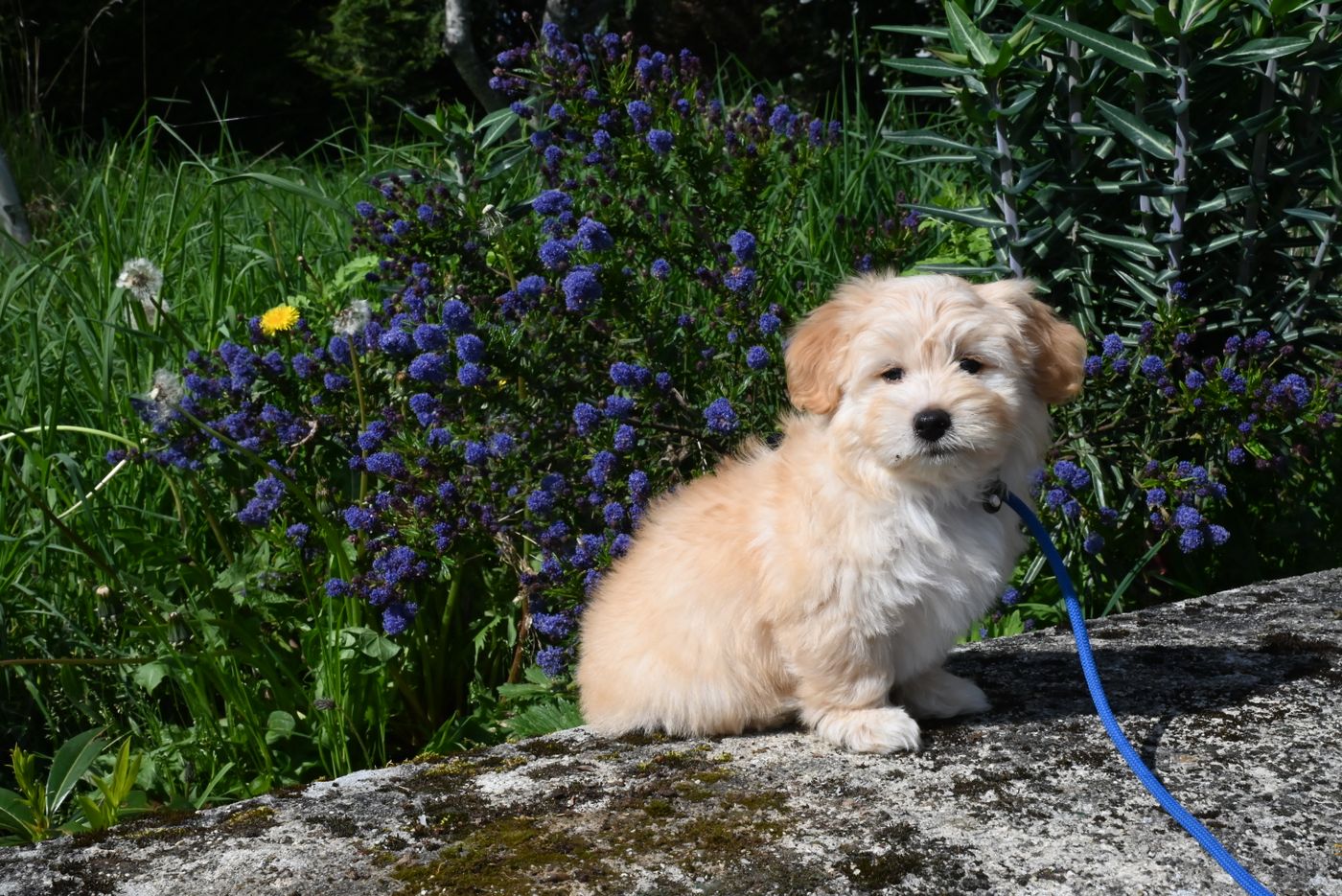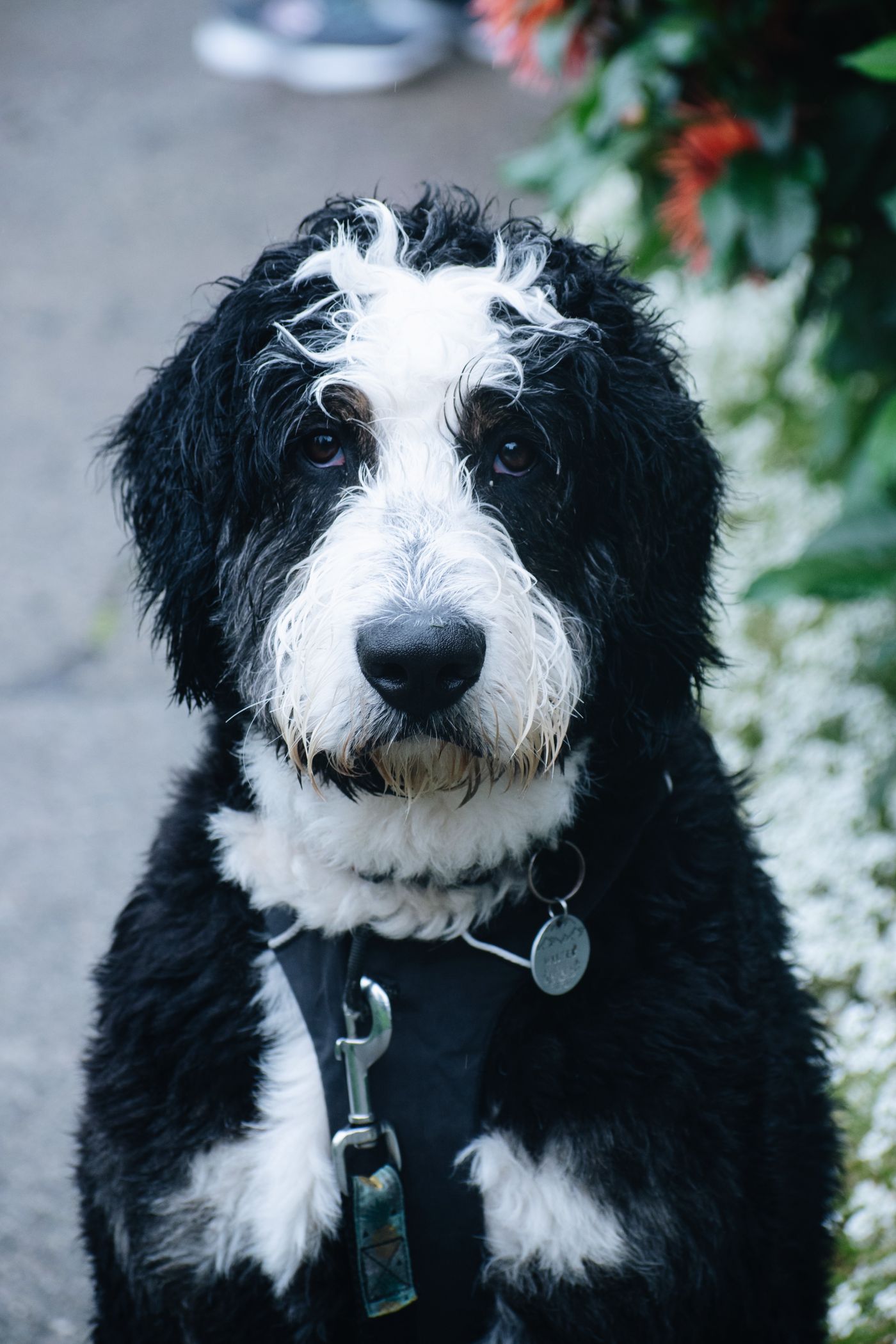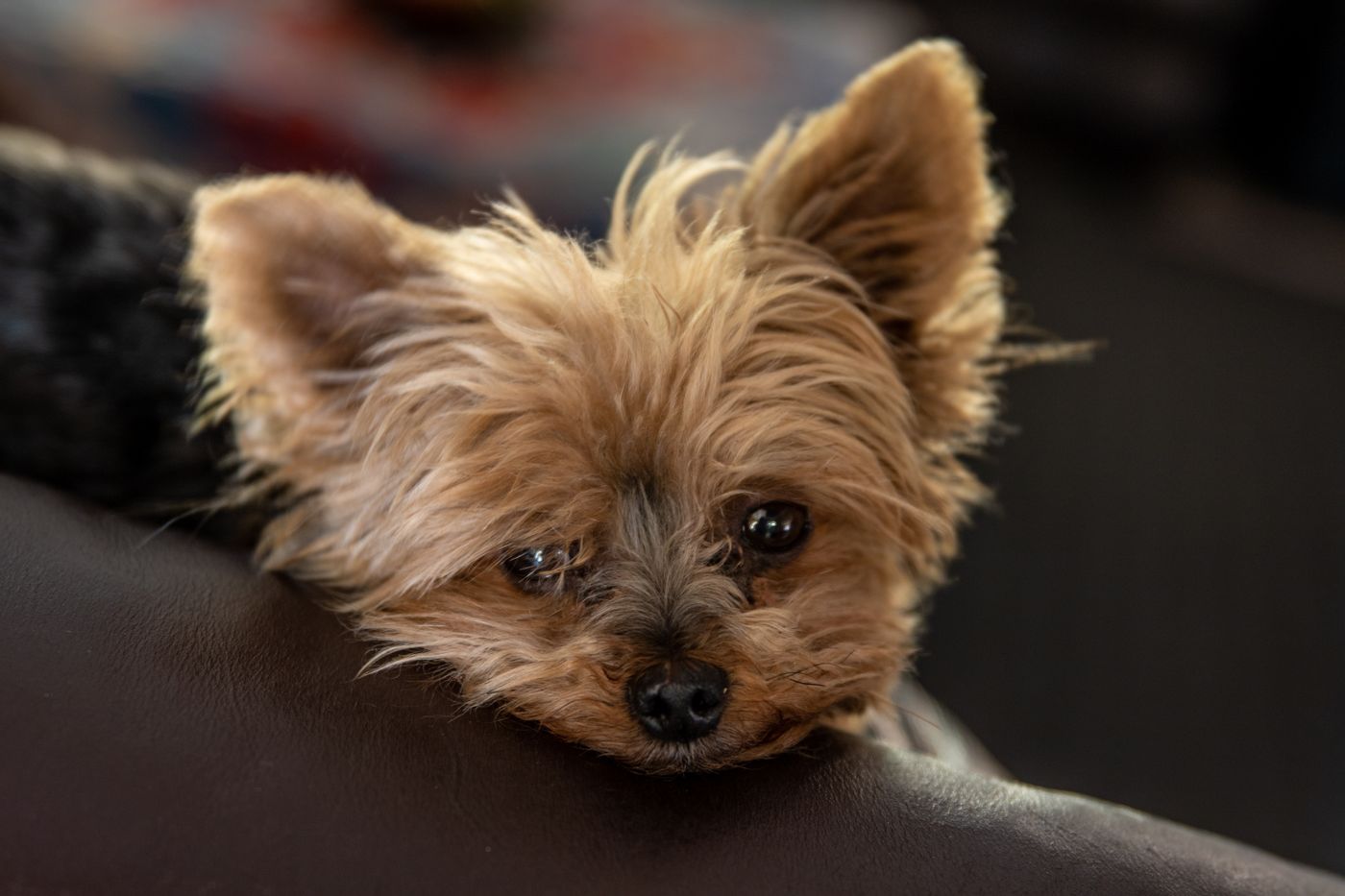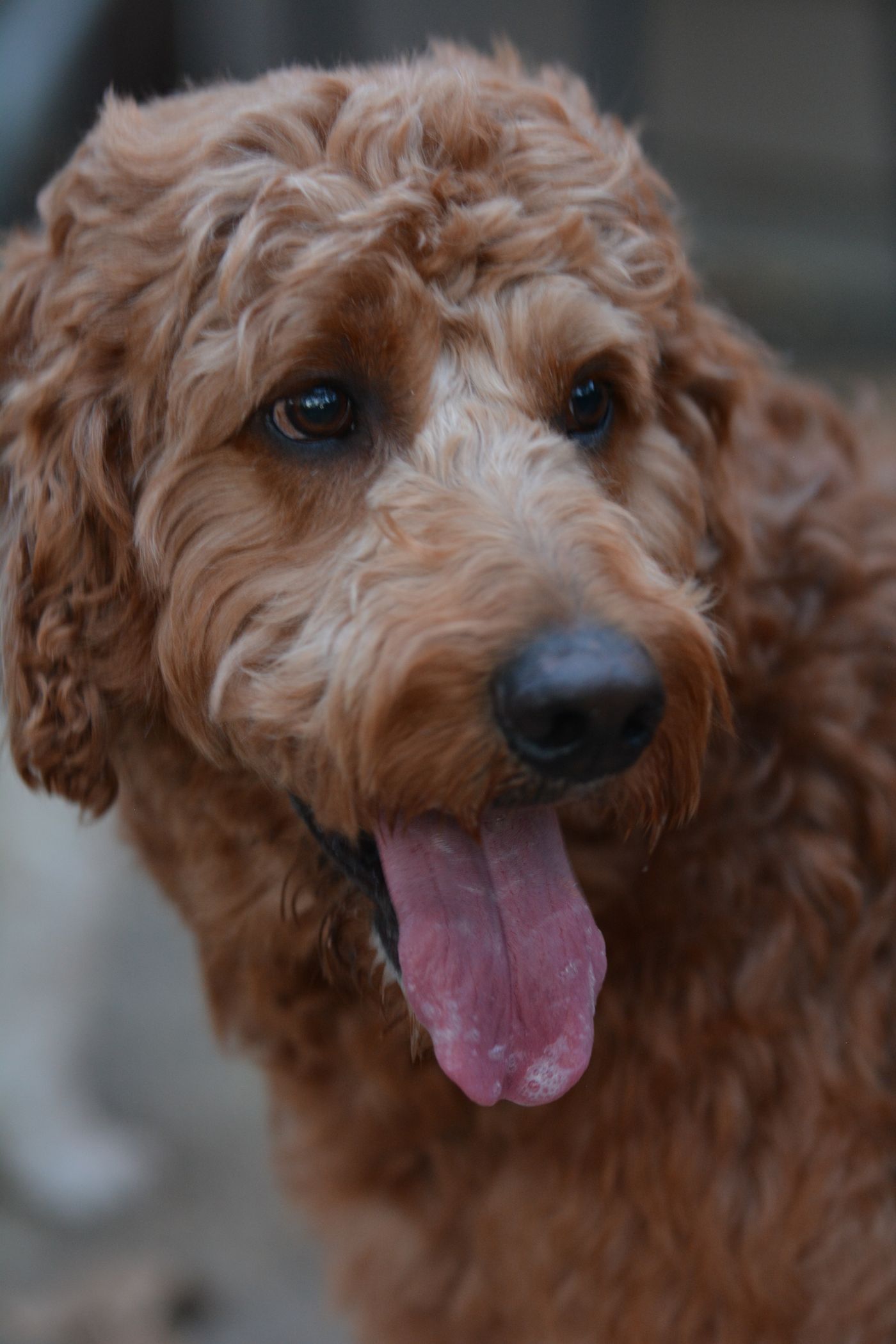
HypoPaws is a family of breed guides built for people who love animals but react to them. We point you to the dogs and cats that tend to be easier on allergies, and to what to verify in a breeder before you commit.
Nine breeds. No allergy-free promises, just the real tradeoffs.
Our honest mission
Every dog and cat sheds some dander, saliva, or hair, and any of those can trigger a reaction. What changes from breed to breed is degree: some coats shed less, some cats produce less of the protein most people react to, and some individual animals within a breed are simply easier to be around than others.
HypoPaws exists to help you find breeds that tend to be better tolerated, connect you with breeders who health-test their lines, and tell you plainly what "hypoallergenic" does and does not mean before you fall in love with a face.
The breed family
Each one links out to its own dedicated guide, with available litters, breeder info, and care details.
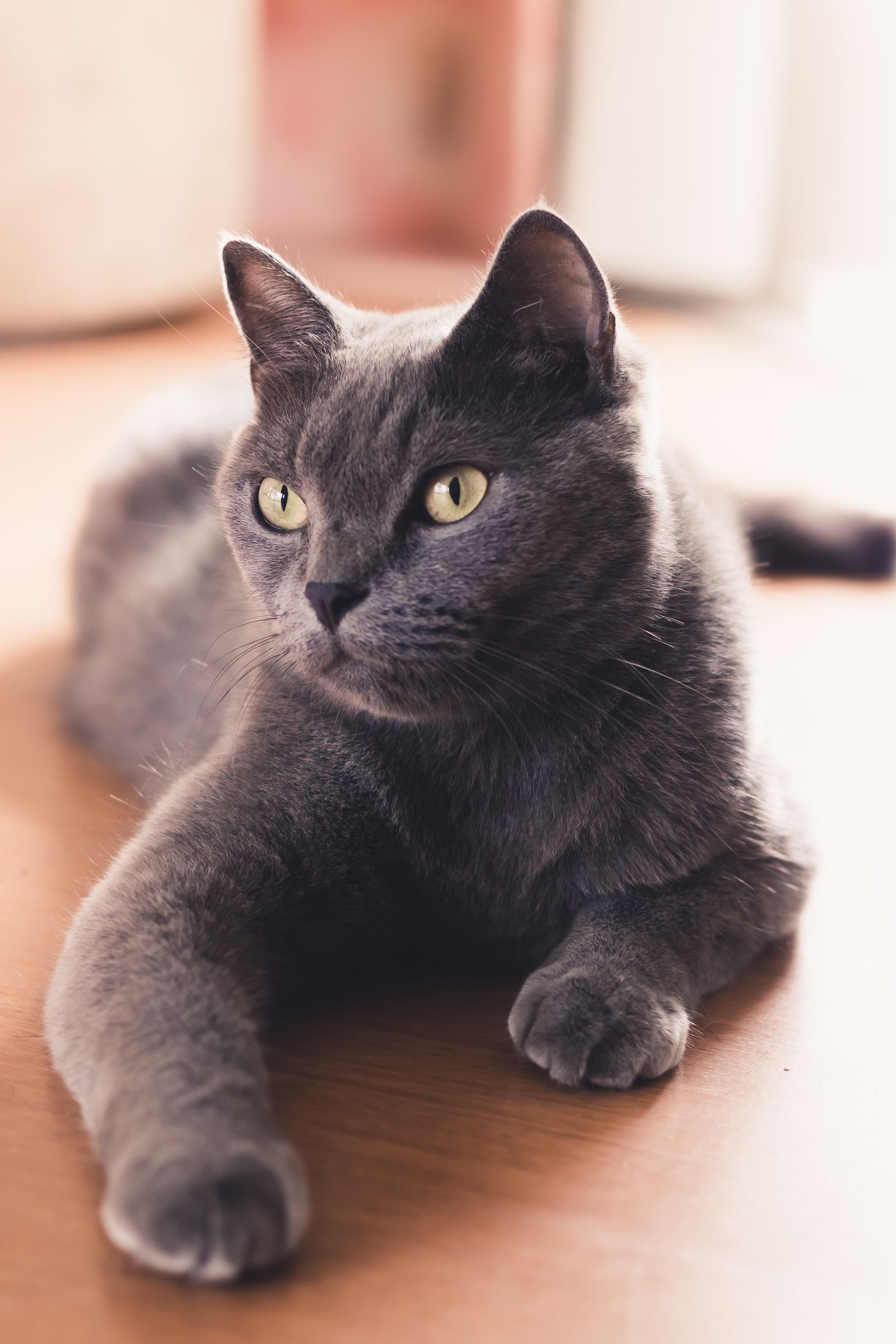
Lower Fel d 1 output tends to mean fewer flare-ups for cat-sensitive people.
Low-shedding, curly, or wiry coats trap loose hair and dander instead of scattering it around the house.

A poodle coat that sheds far less than a straight-coated retriever, in a friendly family dog.
Goldendoodlefinder.com →

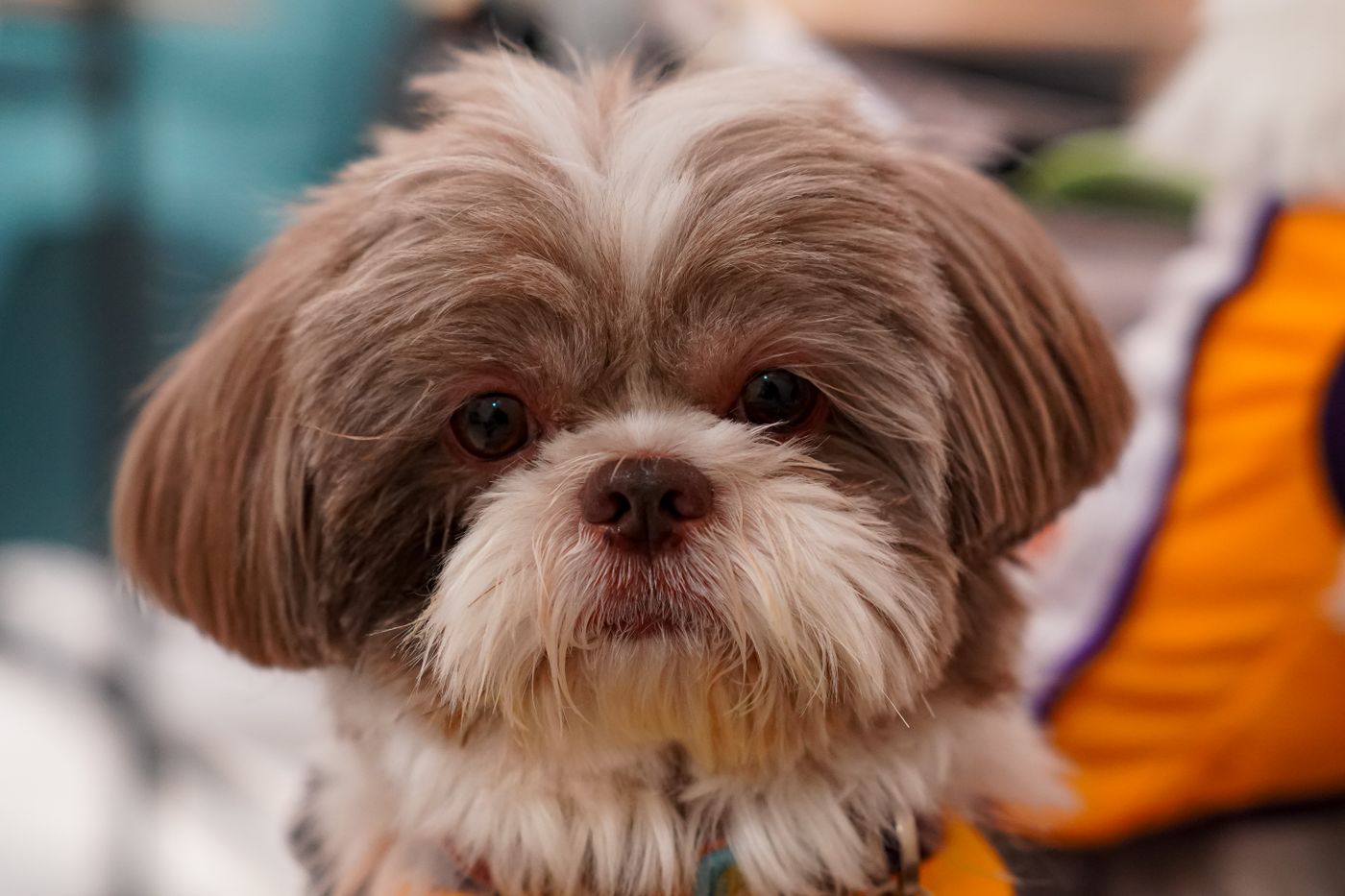
A hair-not-fur coat that grows continuously and sheds minimally, in a compact companion breed.
Shihtzufinder.com →

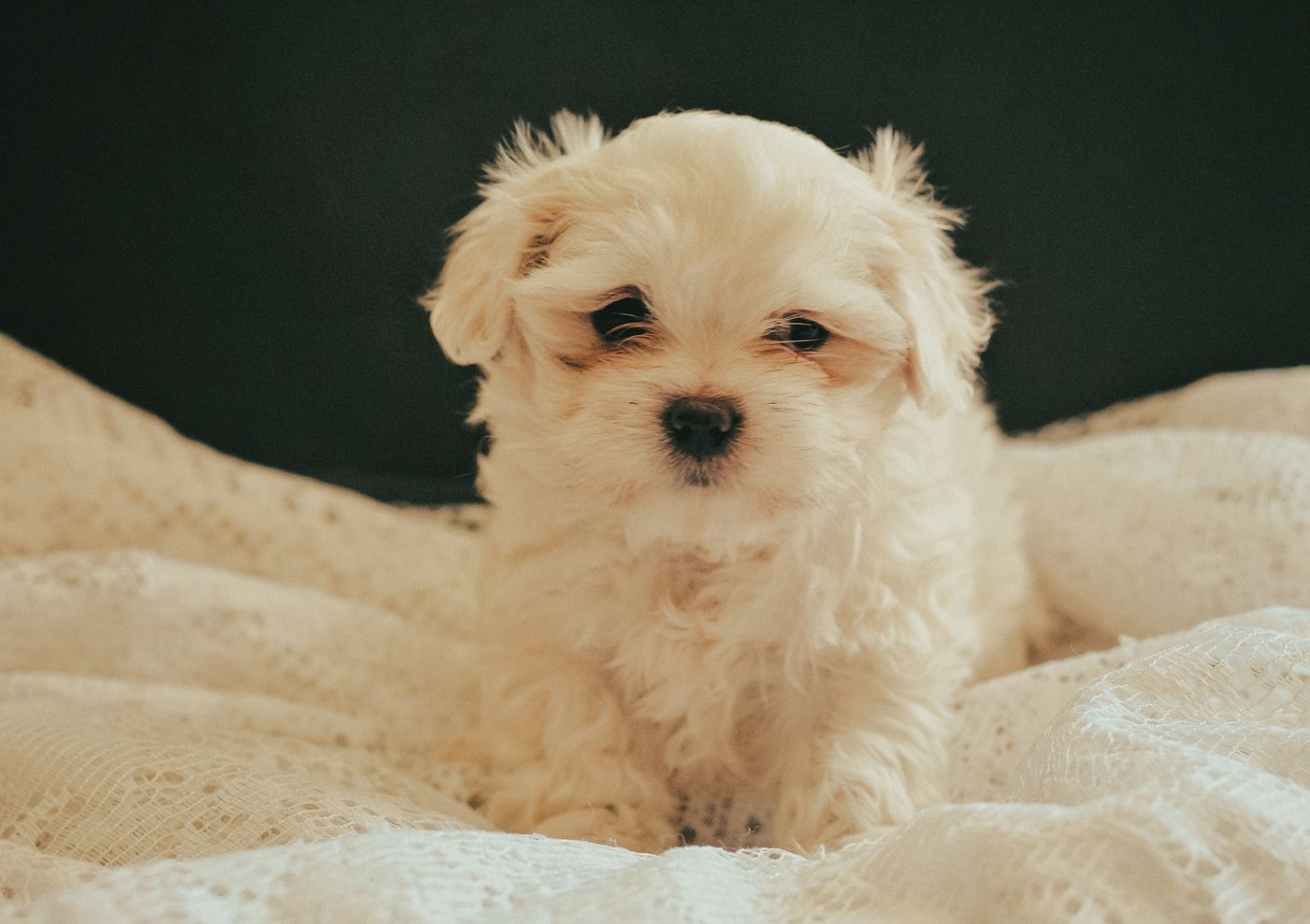
A Maltese-poodle mix bred toward a soft, low-shedding coat and a tiny apartment-friendly frame.
Maltipoofinder.com →

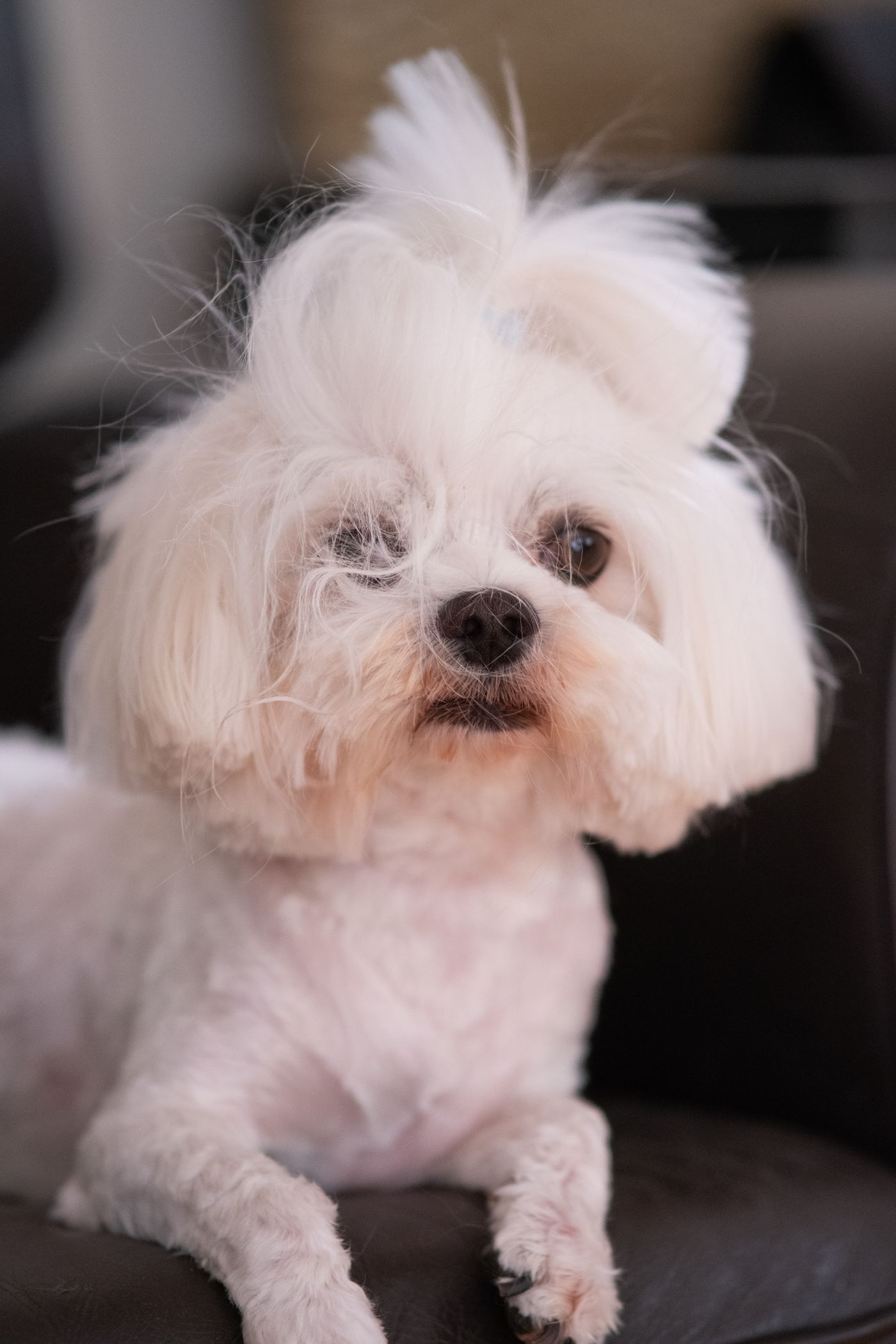
A single-layer silky coat with no undercoat to blow out seasonally, a long-standing low-shed pick.
Maltesefinder.com →

A soft, wavy double coat that sheds lightly, paired with a famously easygoing temperament.
Havanesefinder.com →

Bernese mountain dog looks and temperament on a curlier, lower-shedding poodle-mix coat.
Bernedoodlefinder.com →

A fine, hair-like coat closer to human hair than fur, and one of the oldest low-shed toy breeds.
Yorkiepupfinder.com →
Our two cat breeds, compared
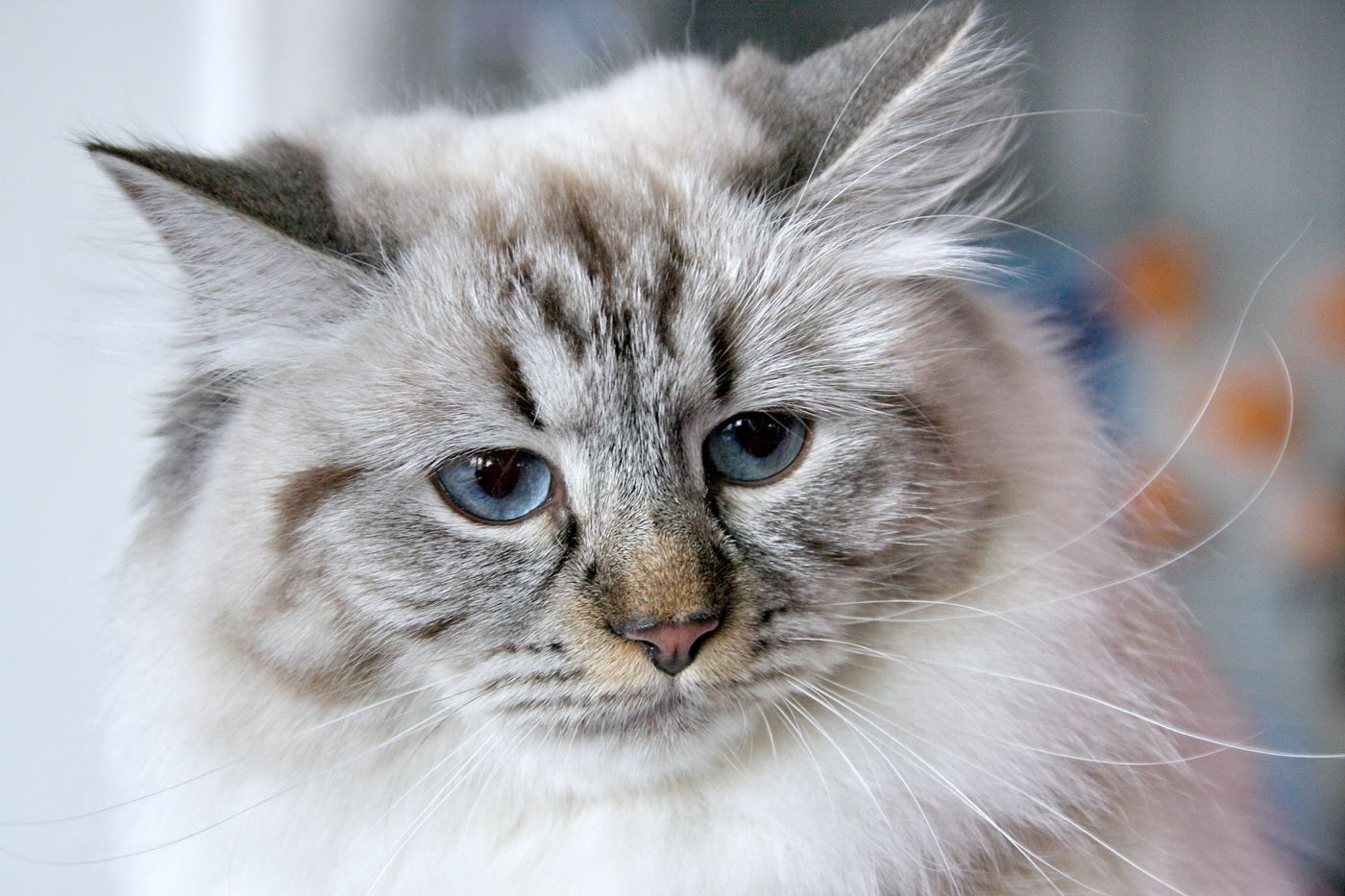
Both are the cats most often called hypoallergenic, but the evidence behind each reputation is not equally strong. Siberians have a real, if unproven, genetic signal for lower Fel d 1 in some individuals; Russian Blues shed less and hold loose hair closer to the body, but the breed's own fancier association disclaims the hypoallergenic marketing outright.
Two of our doodle breeds, compared
Both are Poodle crosses bred toward lower-shedding coats, but the honest differences come down to coat generation and the double coat a Bernedoodle inherits from its Bernese Mountain Dog side.
Purebred versus its own mix, compared
The Maltipoo is literally half Maltese, crossed with a Toy or Miniature Poodle. The honest differences come down to coat predictability, size range, and how much Poodle influence a given Maltipoo litter carries.
Small space, big allergy question
Low-shedding and apartment-friendly are not the same filter. Five of our seven dog breeds are genuinely sized and exercised for apartment living. Two are not, no matter how little they shed.
Before you commit to any of the nine
A breed label is not an allergy test. Our step-by-step playbook walks through the real sequence: an allergist's skin prick or blood test first, then repeated hands-on time with the actual breed, then a trial stay if you still need more time, before you ever sign anything.

How we think about allergies
We will never tell you a breed is allergy-free, because none is. What we can tell you is which breeds tend to trigger fewer reactions, and what actually helps beyond breed choice, like grooming, air filtration, and simply spending time with the animal before you commit.
Read the Honest Truth